Culture · Film
Why I Return to Metropolis and Brazil Every Year
Every year, usually when the days get shorter and the world feels a little too automated, I clear two nights on my calendar. On the first, I watch Fritz Lang’s Metropolis (1927). On the second, Terry Gilliam’s Brazil (1985).
Nearly sixty years separate them, yet they have become a single ritual for me. Watched back to back, they trace a quiet shift in how we imagine the systems we build, moving from the terror of the giant machine to the absurdity of the modern office, while asking what happens to the people expected to live inside both.
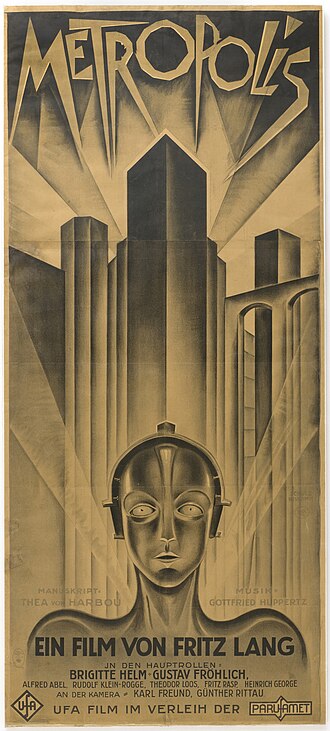
Heinz Schulz-Neudamm / UFA.
Image source

The cathedral of the machine
Every time I return to Metropolis, I’m struck by the scale of it. The city feels like an ancient monument that somehow predicts tomorrow, with its towering geometry and underground workers moving in clockwork formation. In Freder’s famous vision, one of the machines transforms into Moloch, a monster literally swallowing the people who keep the city running.
At the top of it all sits Joh Fredersen, the man who controls the city. You can see the distance between him and the workers in the architecture itself; he lives high above the noise, far removed from the machinery and the lives that make his world possible.
The film’s answer to this divide is its famous idea that the heart must mediate between the head and the hands. I’ve always found that ending both moving and a little difficult to accept. A handshake in front of a cathedral hardly fixes the inequality we’ve just witnessed, yet there is something in the film’s earnestness that stays with me. It asks the people at the top to recognise the humanity of those doing the work, even if it leaves me with a question: what happens when a system grows so tangled that there is no longer a single "head" to appeal to?
The tyranny of the ductwork
The next night, Brazil answers that question with a different kind of nightmare. In Gilliam’s world, there is no solitary mastermind in a high tower. Instead, there are people in charge everywhere, yet finding someone actually responsible when things go wrong is impossible.
An insect falls into a printer, "Tuttle" becomes "Buttle", and an innocent man is arrested and killed. The mistake is absurd, but what follows is much darker. The bureaucracy simply carries on, far more invested in protecting its procedures than the person caught inside them. Anyone who has been trapped in an automated customer service loop, or tried to fix an error that belongs to someone else’s department, knows a milder version of this dread. Brazil just takes that everyday frustration to its logical extreme, showing how much harm can be done while everyone insists they are merely following the process.
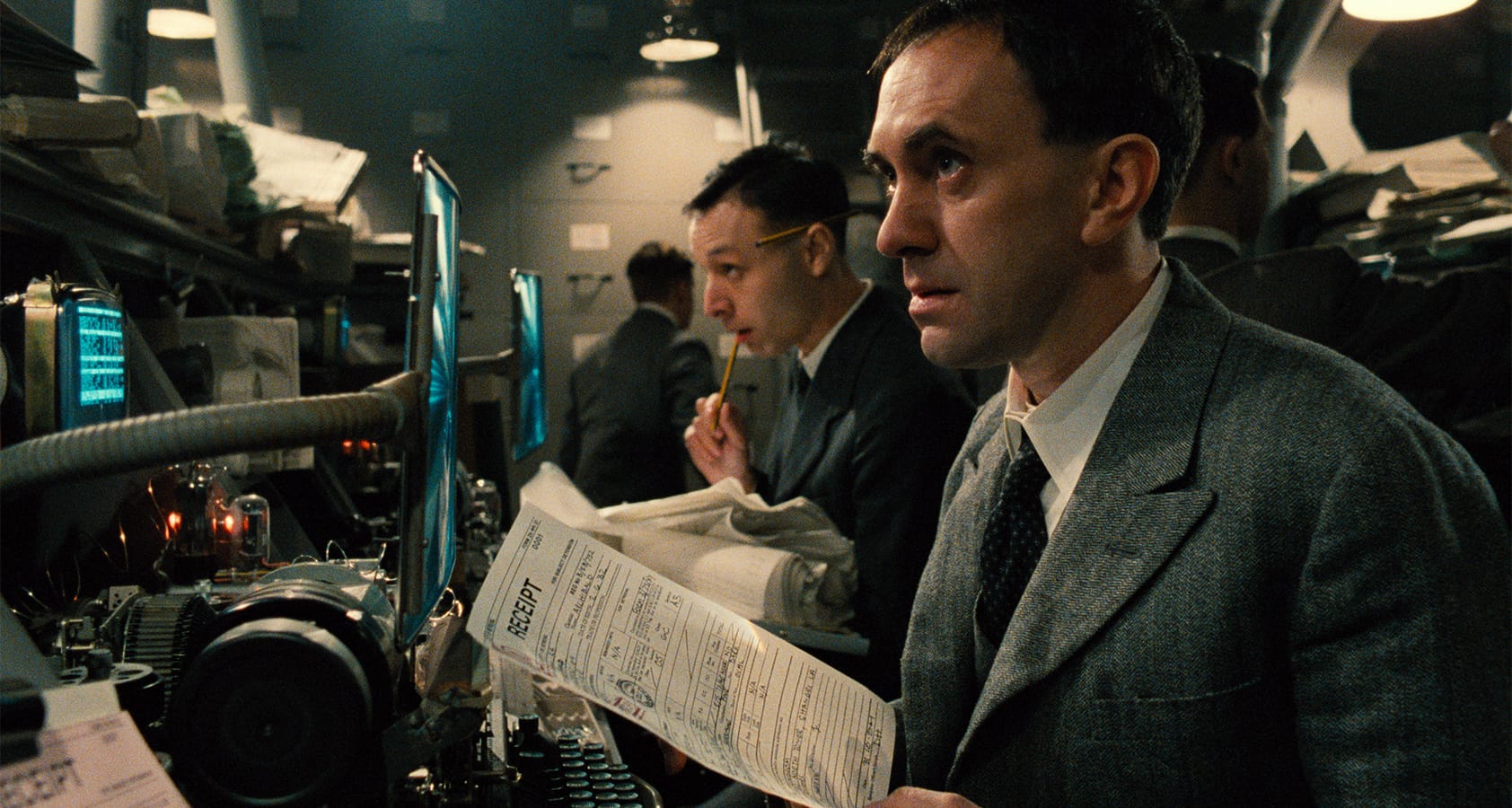
The physical world of the film mirrors this clutter. I keep noticing the ducts on every viewing, snaking through apartments and restaurants, promising to make modern life work while gradually taking over the space meant for living. Caught in the middle of it all is Sam Lowry, whose ambitions are fairly modest: he just wants to be left alone, have working air conditioning, and escape into his daydreams. On some days, that sounds like a perfectly reasonable plan, right up until the system decides that even daydreaming requires the proper paperwork.
The annual reset
Watching these films together gives me different ways to think about systems that lose sight of people. In Metropolis, exploitation is monumental and impossible to miss. In Brazil, it is buried in routines, forms and excuses. One leaves us crushed by the gears, while the other slowly suffocates us with the ducts.
Yet for all their bleakness, I never finish this double feature feeling depressed. There is simply too much human imagination on screen for that. The miniature cityscapes of Metropolis and the wonderfully crowded sets of Brazil are proof that even the most suffocating fictional worlds were built by people with extraordinary creativity and defiance.
Perhaps that is the real reason I keep coming back. Every year, these two nights remind me how easy it is to grow accustomed to the machinery around us and stop asking whether it actually serves the people living within it. They remind me to hold on to empathy when systems feel cold, and to a sense of humour when they make no sense at all.
Above all, they remind me to keep dreaming, preferably before the Ministry of Information asks to see my receipt.